
Scheduling Around Patient Hours
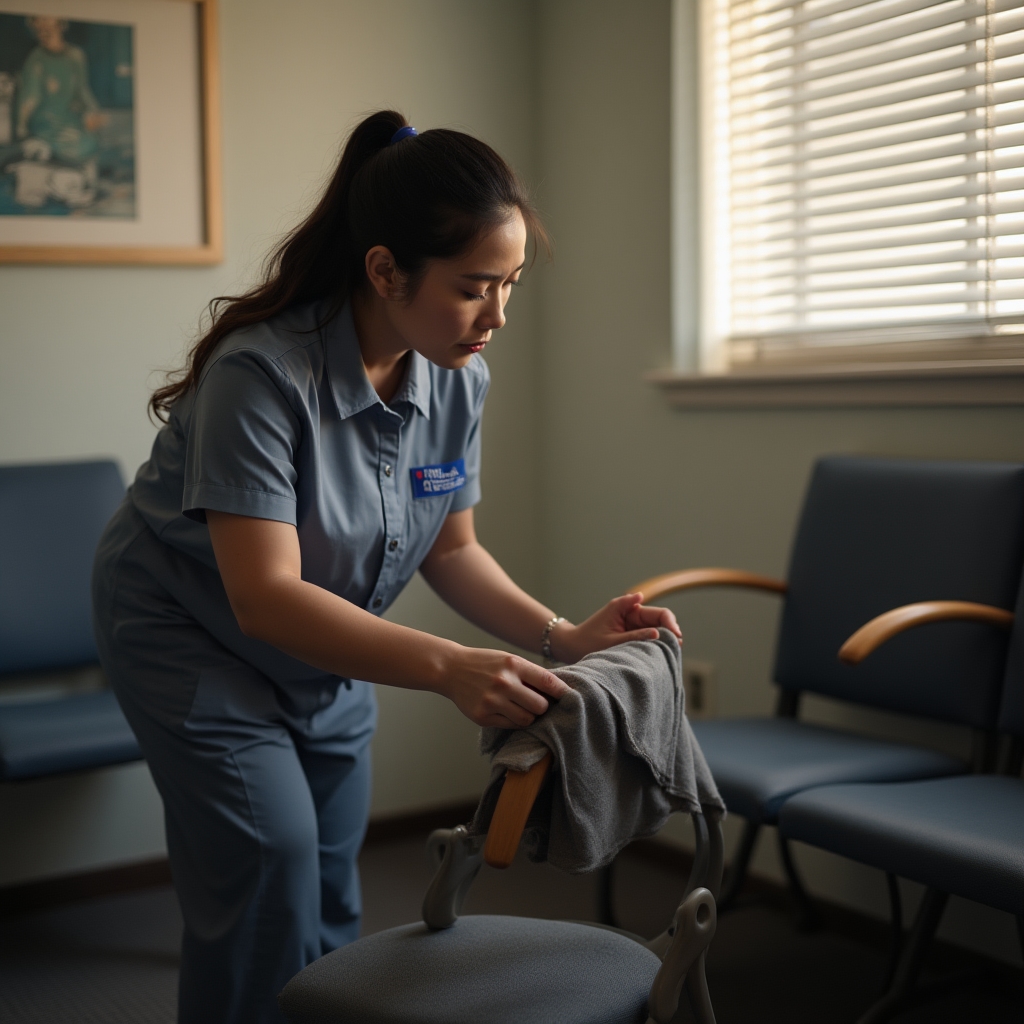
Waiting rooms and exam corridors often need to be cleaned outside patient hours, which changes crew scheduling and can affect pricing compared to a standard nine-to-five office floor.
A Common Attendee Segment
A meaningful share of attendees are bidding on cleaning contracts for medical office buildings rather than standard commercial space. This page walks through where that type of account changes the proposal, the walkthrough, and the checklist compared to a typical office bid. It is a business and operations discussion, not medical or clinical guidance.
What tends to be different
Waiting rooms and exam corridors often need to be cleaned outside patient hours, which changes crew scheduling and can affect pricing compared to a standard nine-to-five office floor.
Regular office waste and any regulated waste streams are typically handled through separate arrangements. A proposal should be clear about which waste streams your crew is and is not responsible for.
Property managers overseeing medical tenants often expect more structured documentation of cleaning activity than a typical office building, since tenants may ask for records during their own reviews.
Front desks and shared corridors may have posted access policies. Walkthroughs and ongoing service both benefit from asking about these upfront rather than assuming standard office access rules apply.
How this shows up in Evening Three
The general checklist framework taught on the third evening gets adapted for medical office accounts by adding a few line items: waiting room surface wipe-downs, restocking of hand sanitizer stations, and a note field for anything the front desk flags during the visit. These additions are discussed as part of the broader checklist session rather than as a separate track, so the same document format still works for a standard office building the following week.
None of this replaces guidance from a building's own infection control or facilities policies. It is a starting checklist structure that attendees adapt to whatever a specific building already requires.
Bring the floor plan or scope sheet for that account to the first evening. The proposal and walkthrough exercises can be worked through using that specific building as the example.
Ask a Question First